
EB-22
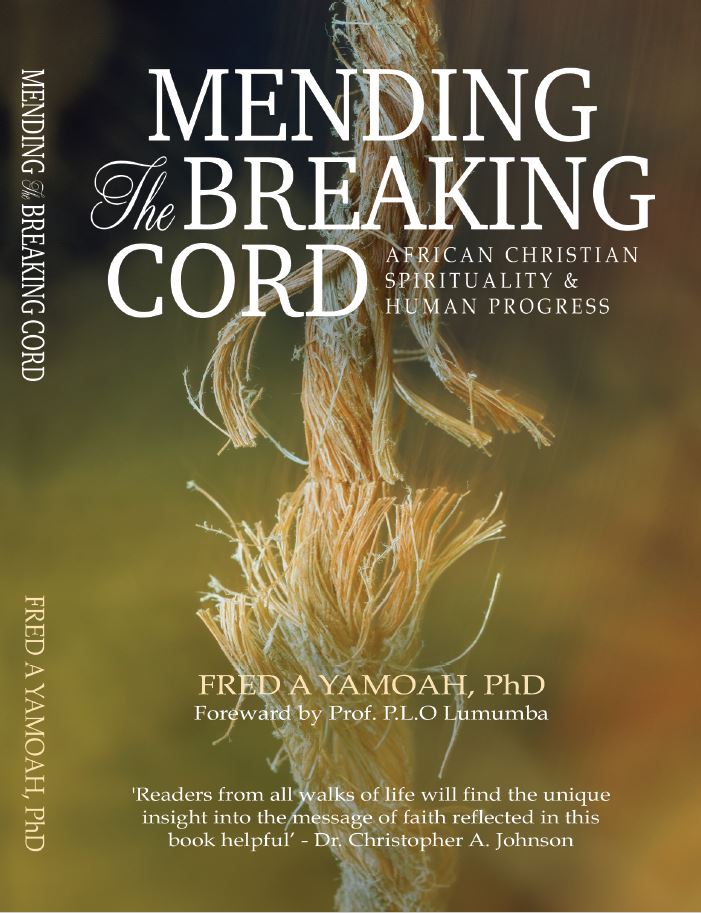
The Christian church in Africa has changed not only in form and structure, but also the nature of its core message and relevance to society. Any critical observer will find that there is growing disengagement of the Christian message along with the corollary of socioeconomic challenges on the continent. It is an important yet overlooked feature of the African church’s story that most of the popular theological and self-improvement books for African Christians within and outside the continent, have rarely touched on the issues that are being examined in this book. From the Nubian African Christian heritage, through the Catholic and Protestants movements, to the birth of the African Independent churches, the African Christian church has gained the accolade as the front runner in global Christianity. The charismatic renewal has been a key driver of the Christian church’s growth, from the early decades of the twentieth century, to the present. The African church remains a dominant social force on the continent. The lives of most Africans revolve around religion. The irony is that increasing (church) membership is happening alongside prevailing inequalities – economic and social. Questionable state policies led by religious political leaders, have been blamed for citizens’ poor living conditions. If religious national leaders are failing to deliver public goods, then faith groups that nurture these leaders must accept a fair share of the blame too. It is interesting that former President Jacob Zuma of South Africa waded into this paradox by saying: